Vine

Vine

12257 bookmarks
Custom sorting
Exploring the Normative Foundation of Journalism Education: Nordic Journalism Educators’ Conceptions of Future Journalism and Professional Qualifications
This article deals with Nordic journalism educators’ conceptions of journalism by placing the concept of normativity at the center. The values, norms and ideas concerning journalism and journalistic practice have previously been studied by journalists and journalism students around the world and in the Nordics, while the Nordic journalism educators’ conceptions have remained more or less without attention. Nevertheless, journalism educators play a crucial role in defining what journalism is and what it is not, and thus largely affect future practitioners’ ideas of journalism. Using a questionnaire that has been employed in previous studies, journalism educators within the academic journalism training in Denmark, Finland, Iceland, Norway and Sweden (n = 115) were surveyed in terms of their conceptions. It was found that the journalism educators, of which 35 per cent had a doctoral degree, still largely subscribe to the ideas of the welfare state. In addition, the ideas of slow, investigative, constructive and solutions-based journalism have gained high popularity among the Nordic educators, which, we argue, dovetails well with the pedagogical aims of journalism education.
Exploring the Normative Foundation of Journalism Education: Nordic Journalism Educators’ Conceptions of Future Journalism and Professional Qualifications
This article deals with Nordic journalism educators’ conceptions of journalism by placing the concept of normativity at the center. The values, norms and ideas concerning journalism and journalistic practice have previously been studied by journalists and journalism students around the world and in the Nordics, while the Nordic journalism educators’ conceptions have remained more or less without attention. Nevertheless, journalism educators play a crucial role in defining what journalism is and what it is not, and thus largely affect future practitioners’ ideas of journalism. Using a questionnaire that has been employed in previous studies, journalism educators within the academic journalism training in Denmark, Finland, Iceland, Norway and Sweden (n = 115) were surveyed in terms of their conceptions. It was found that the journalism educators, of which 35 per cent had a doctoral degree, still largely subscribe to the ideas of the welfare state. In addition, the ideas of slow, investigative, constructive and solutions-based journalism have gained high popularity among the Nordic educators, which, we argue, dovetails well with the pedagogical aims of journalism education.
Exploring the Normative Foundation of Journalism Education: Nordic Journalism Educators’ Conceptions of Future Journalism and Professional Qualifications
How Mainstream and Alternative Media Shape Online Mobilization: A Comparative Study of News Coverages in Post-Colonial Macau
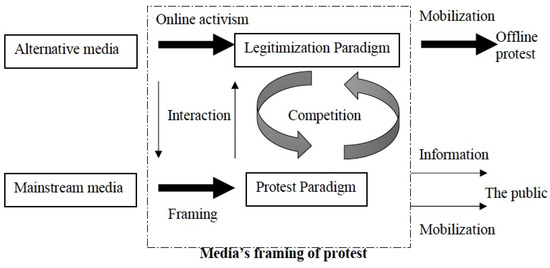
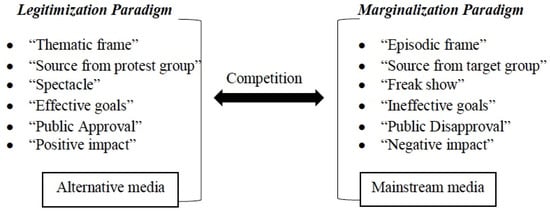
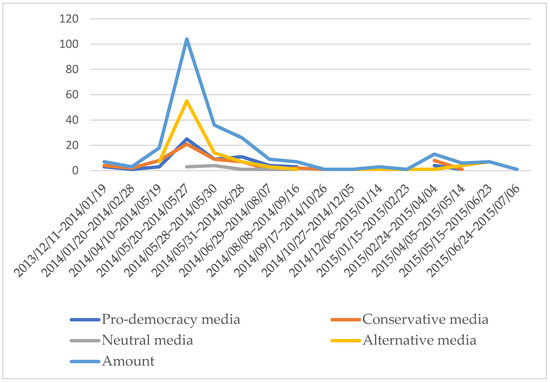
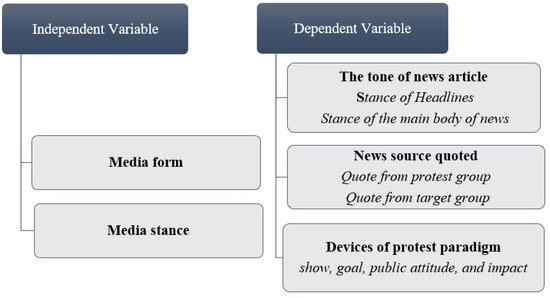
Protests today involve more identities and interests and have more complex relationships with the media ecology than previously. Former studies indicate the need to identify framing patterns within the changing media politics of activism. The current study empirically investigates the media framing of a social-media-driven protest in post-Colonial Macau, China. Drawing on the framing theory and content analysis methodology of 243 news coverage articles, reports, and posts published during the protest, this study explores the correlation between multimedia features. The results show that news coverage of the protest exhibits an issue–attention cycle. Media stance can affect the features of protest coverages significantly. Compared with mainstream media, alternative media adopted a more positive tone in reporting the protests, including quotations from news sources and the framing devices of the protest paradigm (show, goals, public attitude, impact) in favorable terms. The result suggests the activists’ alternative media counteracted the mainstream media’s marginalization by using a form of “legitimization paradigm”.
How Mainstream and Alternative Media Shape Online Mobilization: A Comparative Study of News Coverages in Post-Colonial Macau
Protests today involve more identities and interests and have more complex relationships with the media ecology than previously. Former studies indicate the need to identify framing patterns within the changing media politics of activism. The current study empirically investigates the media framing of a social-media-driven protest in post-Colonial Macau, China. Drawing on the framing theory and content analysis methodology of 243 news coverage articles, reports, and posts published during the protest, this study explores the correlation between multimedia features. The results show that news coverage of the protest exhibits an issue–attention cycle. Media stance can affect the features of protest coverages significantly. Compared with mainstream media, alternative media adopted a more positive tone in reporting the protests, including quotations from news sources and the framing devices of the protest paradigm (show, goals, public attitude, impact) in favorable terms. The result suggests the activists’ alternative media counteracted the mainstream media’s marginalization by using a form of “legitimization paradigm”.
How Mainstream and Alternative Media Shape Online Mobilization: A Comparative Study of News Coverages in Post-Colonial Macau
Protests today involve more identities and interests and have more complex relationships with the media ecology than previously. Former studies indicate the need to identify framing patterns within the changing media politics of activism. The current study empirically investigates the media framing of a social-media-driven protest in post-Colonial Macau, China. Drawing on the framing theory and content analysis methodology of 243 news coverage articles, reports, and posts published during the protest, this study explores the correlation between multimedia features. The results show that news coverage of the protest exhibits an issue–attention cycle. Media stance can affect the features of protest coverages significantly. Compared with mainstream media, alternative media adopted a more positive tone in reporting the protests, including quotations from news sources and the framing devices of the protest paradigm (show, goals, public attitude, impact) in favorable terms. The result suggests the activists’ alternative media counteracted the mainstream media’s marginalization by using a form of “legitimization paradigm”.
How Mainstream and Alternative Media Shape Online Mobilization: A Comparative Study of News Coverages in Post-Colonial Macau
Journalism and Media
Journalism and Media, an international, peer-reviewed Open Access journal.
Journalism and Media
The Effects of the COVID-19 “Infodemic” on Journalistic Content and News Feed in Online and Offline Communication Spaces
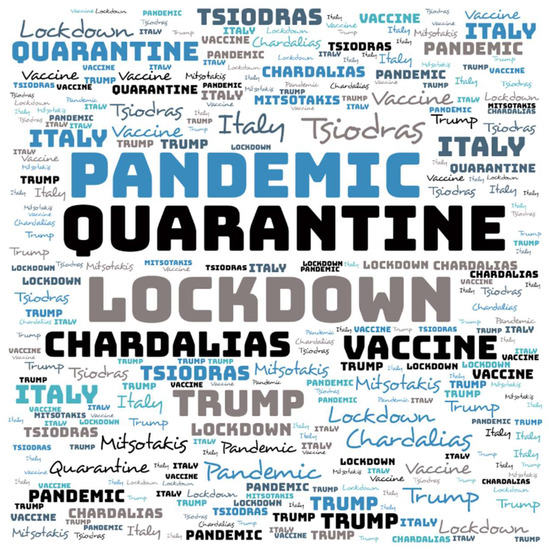
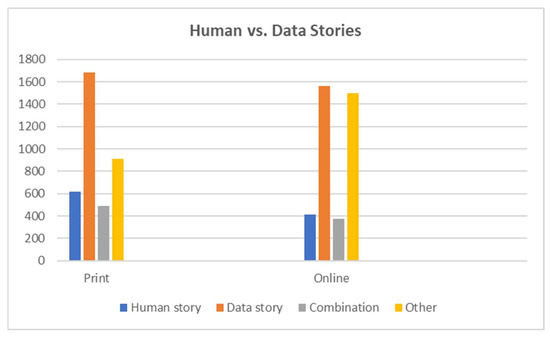
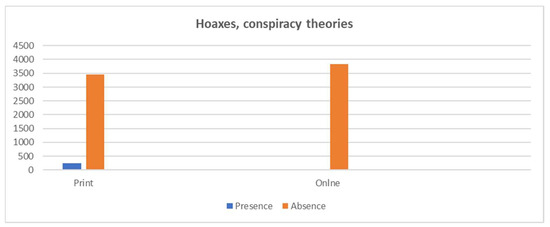
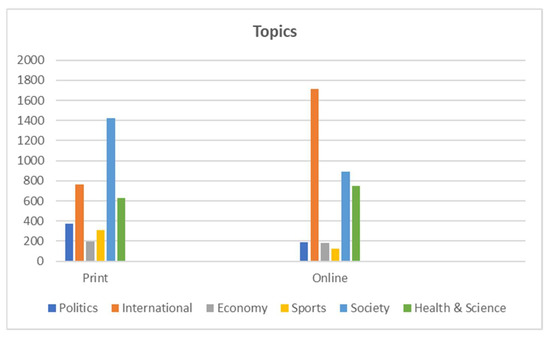
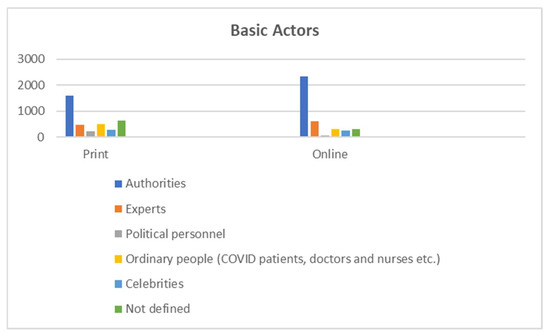
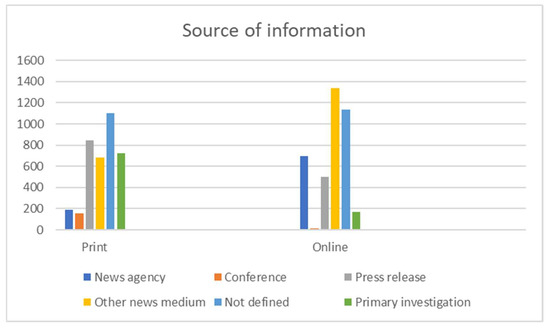
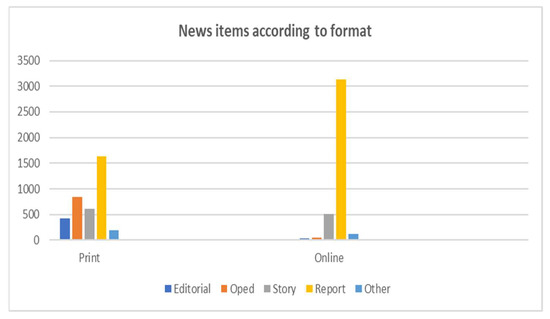
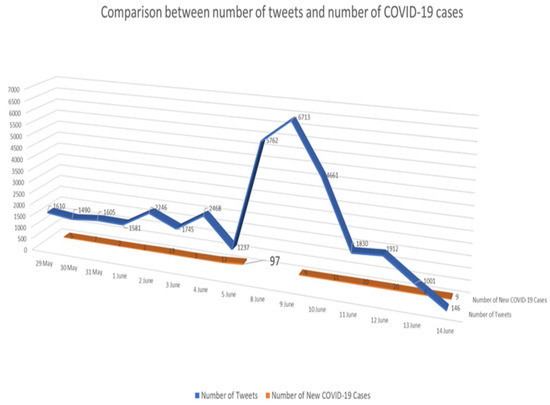
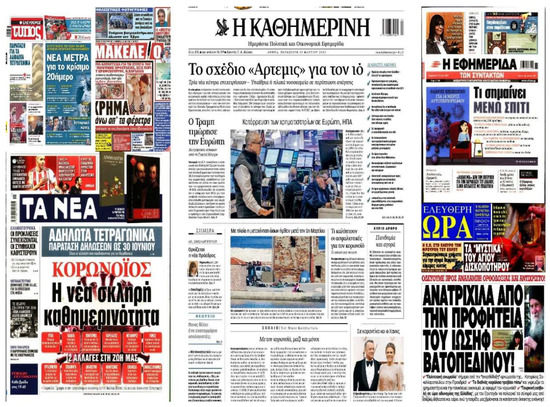
The systematic coverage of the coronavirus pandemic by the Greek mass media began in February 2020, specifically, from the time the virus made its appearance in the most significant way in Italy. Until then, news about the virus had been sporadically visible depending mainly on news reports coming from the international media and press agencies. The assessment of the COVID-19 pandemic as an “infodemic” by the World Health Organization (WHO) made obvious the need to study media coverage and map its patterns, along with the unprecedented political and social response and the massive consequences on the global economy. Through a large content analysis, containing 7457 news items from 13 different media outlets, plus a comparative Twitter analysis of 36,317 tweets, we took the present situation as an opportunity to collect real-time data but also as a point of departure for addressing issues connected to journalistic practices and technological changes in the framework of COVID-19. According to our findings, the Greek media faced the crisis “with a view to the world”, emphasizing international coverage, giving priority to the authorities and scientists, and keeping (at least in their majority) hoaxes and conspiracy theories out of the agenda.
The Effects of the COVID-19 “Infodemic” on Journalistic Content and News Feed in Online and Offline Communication Spaces
The systematic coverage of the coronavirus pandemic by the Greek mass media began in February 2020, specifically, from the time the virus made its appearance in the most significant way in Italy. Until then, news about the virus had been sporadically visible depending mainly on news reports coming from the international media and press agencies. The assessment of the COVID-19 pandemic as an “infodemic” by the World Health Organization (WHO) made obvious the need to study media coverage and map its patterns, along with the unprecedented political and social response and the massive consequences on the global economy. Through a large content analysis, containing 7457 news items from 13 different media outlets, plus a comparative Twitter analysis of 36,317 tweets, we took the present situation as an opportunity to collect real-time data but also as a point of departure for addressing issues connected to journalistic practices and technological changes in the framework of COVID-19. According to our findings, the Greek media faced the crisis “with a view to the world”, emphasizing international coverage, giving priority to the authorities and scientists, and keeping (at least in their majority) hoaxes and conspiracy theories out of the agenda.
The Effects of the COVID-19 “Infodemic” on Journalistic Content and News Feed in Online and Offline Communication Spaces
The systematic coverage of the coronavirus pandemic by the Greek mass media began in February 2020, specifically, from the time the virus made its appearance in the most significant way in Italy. Until then, news about the virus had been sporadically visible depending mainly on news reports coming from the international media and press agencies. The assessment of the COVID-19 pandemic as an “infodemic” by the World Health Organization (WHO) made obvious the need to study media coverage and map its patterns, along with the unprecedented political and social response and the massive consequences on the global economy. Through a large content analysis, containing 7457 news items from 13 different media outlets, plus a comparative Twitter analysis of 36,317 tweets, we took the present situation as an opportunity to collect real-time data but also as a point of departure for addressing issues connected to journalistic practices and technological changes in the framework of COVID-19. According to our findings, the Greek media faced the crisis “with a view to the world”, emphasizing international coverage, giving priority to the authorities and scientists, and keeping (at least in their majority) hoaxes and conspiracy theories out of the agenda.
The Effects of the COVID-19 “Infodemic” on Journalistic Content and News Feed in Online and Offline Communication Spaces